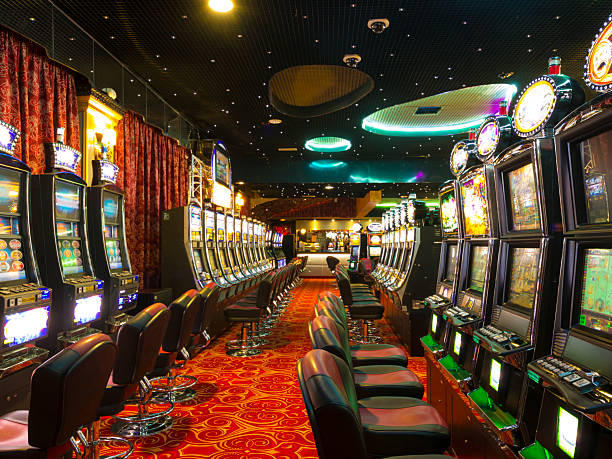
Unraveling common myths about casino gambling
Understanding the Odds
One of the most pervasive myths in casino gambling is that certain games are rigged in favor of the house. Many players believe that casinos have manipulated odds, making it impossible for them to win consistently. However, understanding the mathematics behind the games reveals a different story. Each game has a specific return-to-player percentage (RTP), which denotes the average amount a player can expect to win back over time. This is not a guarantee of winning but rather an indication of the odds. For example, a slot machine with an RTP of 95% will return $95 for every $100 wagered, on average, over the long run. Additionally, factors such as online casino payid options can influence a player’s overall experience, making it essential to consider all aspects. It’s important to remember that RTP is calculated over numerous plays, meaning individual sessions can vary greatly.

It is also crucial to recognize that the outcomes of casino games, especially electronic ones, rely heavily on random number generators (RNG). These sophisticated algorithms ensure that each spin of a slot machine or deal of a card is random and independent of previous outcomes. The belief that a lucky streak or losing streak can be predicted is fundamentally flawed, as each game is designed to operate on its own merit. Players need to understand that while luck plays a role in short-term outcomes, the odds remain constant and are calculated over thousands of rounds. This randomness is what makes gambling a game of chance rather than a predictable enterprise.
In short, myths about rigged games stem from a lack of understanding of probabilities and randomness. Casinos do have an edge, but that is based on mathematical principles rather than deceitful practices. As players become more educated about how games function, they can approach gambling with a clearer mindset, focusing on enjoyment rather than solely on the outcome. Recognizing the true nature of odds can lead to a more responsible and informed gaming experience, reducing frustration and unrealistic expectations.
The Illusion of “Hot” and “Cold” Games
Another widespread myth is the belief in “hot” and “cold” games, particularly in slot machines. Many players swear by certain machines that seem to deliver wins more frequently, asserting that these games are “hot.” Conversely, they avoid others that appear to be “cold,” believing they are unlikely to pay out. This notion, while prevalent, does not hold up under scrutiny. Each machine’s performance is determined by RNG, making each spin an independent event. Therefore, a “hot” machine today could become “cold” tomorrow, and vice versa, as there are no guarantees based on past performance.
The misconception arises from cognitive biases, such as the gambler’s fallacy, where individuals believe that past events influence future outcomes. For instance, if a slot machine hasn’t paid out in a while, players might think it is “due” for a win. This flawed logic can lead to misplaced strategies that detract from the overall gambling experience. It is essential for players to understand that each spin is purely a product of chance, devoid of any patterns. This means that relying on the idea of “hot” and “cold” machines can lead to disappointment and financial loss.
Ultimately, players should focus on choosing games that align with their interests and budget rather than relying on superstitions surrounding machine performance. A more successful gambling experience hinges on knowledge and strategy rather than the belief in hot and cold trends. Appreciating the randomness of games will lead to a more enjoyable and potentially lucrative gaming session. Understanding that every game is an independent event allows players to engage more rationally and responsibly.
The Myth of Skill-Based Games
The idea that players can consistently win at casino games through skill is another common myth. While it is true that some games, like poker and blackjack, involve elements of strategy and skill, this does not mean players can always guarantee a win. In games that have a significant element of chance, such as slots or roulette, skill plays a minimal role. Players often overestimate their ability to influence outcomes based on skill, which can lead to disappointment. This myth can encourage players to engage in unrealistic expectations about their gambling success.
In games like poker, while skill can give players an edge over opponents, luck will always remain a factor. A well-played hand can be undermined by a poorly dealt card, highlighting that no amount of skill can entirely eliminate luck from the equation. Players must recognize that while they can improve their game through practice and understanding of strategies, the unpredictable nature of cards and dice will always play a critical role in the outcome. This balance of skill and luck is crucial for setting realistic goals in gambling.
Understanding the balance between skill and luck is vital in managing expectations when gambling. Players should focus on honing their skills in games where it applies while being aware that success is never guaranteed. Emphasizing enjoyment and strategic play will lead to a healthier approach to gambling rather than relying solely on skills to secure wins. This mindset encourages a more balanced and enjoyable gaming experience, where the focus is on the process rather than just the outcome.
The Impact of Alcohol on Gambling Behavior
Many people believe that drinking alcohol while gambling can enhance their experience or improve their performance. However, the opposite is often true. Alcohol can impair judgment, leading players to make less rational choices at the gaming table. This intoxication may cause individuals to deviate from their planned budgets or engage in riskier betting strategies. As drinks flow, the initial excitement of gambling can cloud judgment, which may lead to regret later on. Understanding this dynamic is crucial for maintaining control and ensuring a positive gambling experience.
Furthermore, casinos are aware of this phenomenon and often promote alcohol consumption on the gaming floor. Free drinks are a common perk in many establishments, enticing players to stay longer and gamble more. However, it is essential for players to maintain awareness of their limits regarding alcohol consumption, as this can drastically influence their gambling decisions. Staying sober or moderating alcohol intake can help players keep a clearer mind and make more informed choices. This conscious approach to drinking can lead to healthier gambling habits.
Ultimately, while enjoying a drink can be part of the social aspect of gambling, it is essential to recognize its potential risks. Players should aim to strike a balance between enjoying themselves and maintaining control over their gambling behavior to ensure a positive and responsible gaming experience. Acknowledging the effects of alcohol can help players make better decisions and enhance their enjoyment without compromising their financial stability.
Educational Resources for Responsible Gambling
As the myths surrounding casino gambling continue to mislead many players, it is essential to seek out accurate information and resources to counteract these misconceptions. Various educational platforms serve to inform gamblers about responsible gaming practices, the mechanics of games, and the true nature of gambling odds. These resources empower players to make informed decisions, reducing the likelihood of falling prey to common myths. Engaging with these resources can enhance understanding and promote a safer gambling environment.
Websites dedicated to gambling education often provide insights into game strategies, statistical data, and advice on budgeting and bankroll management. They aim to foster an understanding of the gambling landscape while promoting healthy gambling habits. Players should utilize these resources to enhance their knowledge and confidence, leading to a more fulfilling gaming experience. The availability of such information can be a game-changer for individuals who wish to engage in gambling responsibly.
Moreover, many casinos and gaming regulators are increasingly committing to responsible gambling initiatives, providing help for those who may be struggling with gambling addiction. By offering avenues for support and education, players can partake in gambling in a safe, informed environment. Understanding the realities of gambling creates a foundation for enjoying it responsibly while debunking harmful myths surrounding the activity. Responsible gambling practices are essential for ensuring that gaming remains a fun and safe entertainment option for everyone involved.